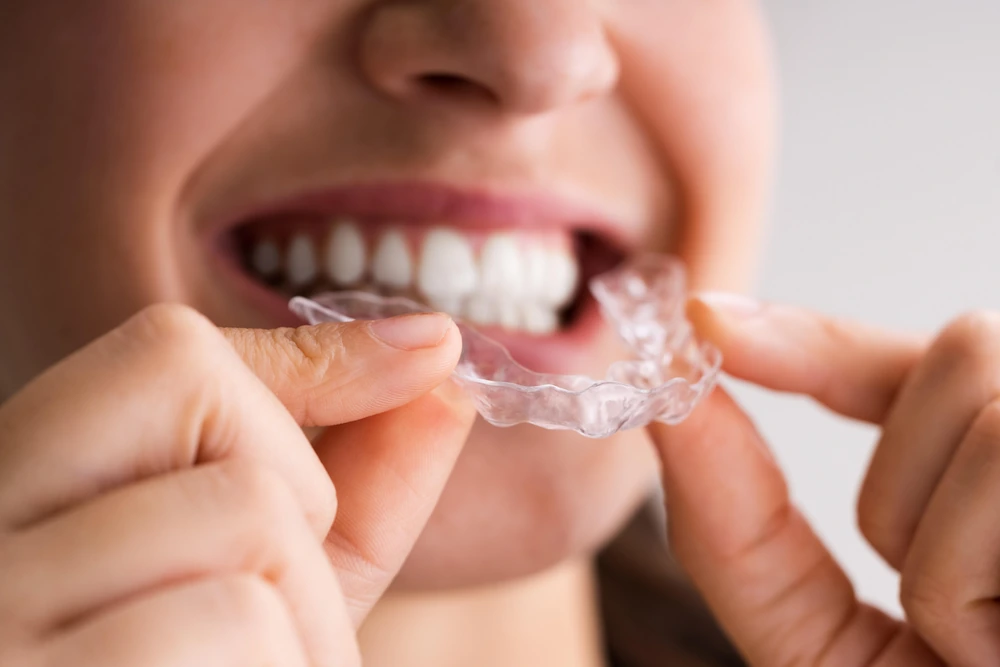
Choosing between Invisalign and traditional braces can be a difficult decision. Both options offer effective solutions for correcting misaligned teeth, but they have distinct differences. Many patients search for “Invisalign near me” because they prefer a more discreet method of straightening their teeth. Invisalign clear aligners are virtually invisible, making them an attractive choice for adults and teens. Unlike braces, Invisalign doesn’t involve metal wires or brackets, which can be uncomfortable. The aligners are also removable, allowing for easier brushing, flossing, and eating. However, traditional braces may be a better option for more complex orthodontic issues.
When considering Invisalign vs. braces, it’s important to factor in the duration and cost of treatment. People often search for “Invisalign cost” to weigh the price difference between these two options. Invisalign tends to be slightly more expensive than traditional braces, but it offers a more aesthetically pleasing solution. Patients also appreciate the shorter treatment time that Invisalign often provides. However, traditional braces are highly effective for severe misalignments and are generally more affordable. Those with complicated dental issues may find that traditional braces offer more control in moving teeth to their desired positions. Searching for Invisalign before and after photos can also help you visualize the potential results.
Ultimately, the decision comes down to your specific needs and lifestyle. Many patients who search for “Invisalign near me” are drawn to its convenience and subtle appearance. On the other hand, those with more complex orthodontic needs may lean towards traditional braces for their comprehensive treatment capabilities. Both options have their pros and cons, and it’s essential to consult with an orthodontist to determine which is best for you. Clear aligners like Invisalign offer a modern solution for those looking for a less noticeable way to straighten teeth. Whichever treatment you choose, you’ll be investing in a healthier, more aligned smile. Discuss both options with your dentist to ensure you’re making the best choice for your orthodontic care.